Why Finding Dog-Friendly Training Tools in Australia Matters
Choosing the Right Tools
Understand Your Dog’s Needs
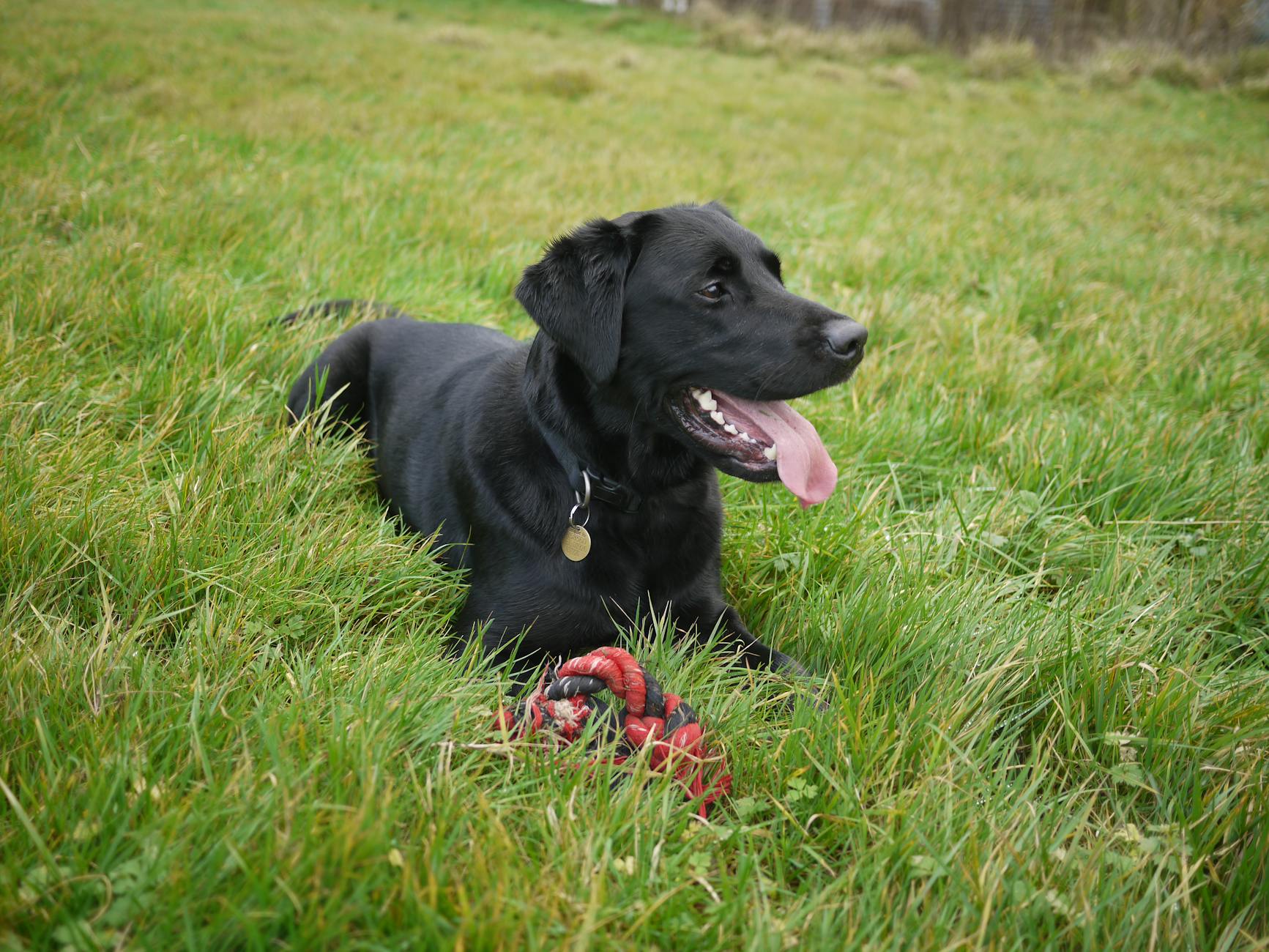
When selecting suitable training tools for your dog, understanding their unique needs is crucial. Consider your dog’s personality, age, and any behavioural challenges they face. I remember when my Labrador, Max, needed guidance to curb his enthusiasm for barking, especially while I worked from home. I learned how essential it is to tailor the training collars dogs to fit both their temperament and the training goals you have in mind.
Evaluate Ease of Use
Ease of use is a vital element to consider when choosing training tools. As someone who balances a busy work schedule with caring for Max, I find it essential that the tools I use are straightforward and efficient. You’ll want a tool that doesn't complicate training sessions and allows you to focus on building a strong bond with your pet. User-friendly products ensure that training remains a rewarding experience for both of you.
Select Aesthetic Designs
Living in Melbourne, it’s pretty inspiring to see beautifully designed pet accessories in shops around Melbourne Central. It’s possible to find items like a snuggle puppy that not only offer comfort but also complement your home’s aesthetics. Personally, I appreciate when the items I choose for Max blend seamlessly into my living space, maintaining our home’s harmony while ensuring Max’s comfort. The right design will fit your style without disrupting the overall visual appeal of your home.
Eco-Friendly and Humane Options
Explore Sustainable Materials
When I consider training tools for Max, I think about their environmental impact and look for options made from sustainable materials. Accessories made from bamboo or recycled plastic are not only eco-friendly but also often come in stylish designs that will complement any decor. On our walks through the dog-friendly parks in St. Kilda, I sometimes spot other dog owners using similar sustainable gear, making our local community a bit greener.
Focus on Humane Designs
As someone who advocates for humane training, I find the idea of dog collars that shock quite unsettling. Instead, there are plenty of alternatives that focus on positive reinforcement and gentle guidance. For instance, using treats or gentle vibrating collars can redirect Max’s energy without resorting to harsher measures. When browsing through pet accessory stores in Melbourne Central, I always check for items that prioritise comfort and adjustability, ensuring Max feels secure and at ease.
Check Certifications and Standards
It’s crucial to verify that any training tool is certified to meet ethical standards. I often look for endorsements from animal welfare organisations when evaluating dog electric collars and similar tools. Many workshops at the Royal Botanic Gardens emphasise the importance of these certifications, ensuring I choose products that won't compromise Max's well-being. By aligning my purchases with these values, I feel more confident in my training approach and the positive impact it has on Max.
Enhancing Training Effectiveness
Assess Behavioral Benefits
When it comes to enhancing the effectiveness of training tools, understanding the behavioural benefits of each option is crucial. For example, with Max’s energy and occasional barking episodes, using a tool that respects his needs while promoting good behaviour is vital. After reading through several reviews and recommendations from local dog training workshops at the Royal Botanic Gardens, I learned about bark collars. These are particularly popular among pet parents seeking a solution that can help manage barking without causing distress. However, it’s important to remember that a proper understanding of the tool's function is necessary before application.
Leverage Positive Reinforcements
Positive reinforcement can be a game-changer, especially with energetic dogs like Max. Incorporating treats, verbal praise, or interactive playtime when implementing tools such as a hidden dog fence can make the training sessions enjoyable for both the pet and the owner. I've found that introducing a hidden dog fence at home or visiting dog-friendly parks in St. Kilda significantly encourages Max to explore while respecting boundaries.
Consider Multi-Functional Tools
Investing in tools that serve multiple purposes can optimise both training efficacy and budget. Some collars offer features that help correct multiple behaviours—like jumping and excessive barking—all in one. This not only ensures a harmonious environment but also provides versatile solutions as Max continues to grow and develop. Balancing the integration of such tools with everyday routines is key to successful training outcomes.
Common Mistakes
Avoid Misuse of Tools
When embarking on your dog training journey, misuse of tools can be an unintentional blunder. Many find themselves intrigued by the convenience of an anti barking collar yet overlook the need for proper introduction and usage. Always ensure that any training equipment is adjusted appropriately for your dog’s size and temperament. For example, a stroll through Melbourne Central reveals numerous pet accessory stores offering adjustable collars to suit every canine's specific needs. Equipping your dog with tools that fit just right promotes a positive training experience.
Identify Signs of Discomfort
It's crucial to remain vigilant for any signs of discomfort that your dog may exhibit. When using options like a citronella dog collar, observe your dog’s behaviour closely for any distress or changes. A slight decrease in enthusiasm or a reluctance to engage in activities they usually enjoy could indicate discomfort. Such insights gained from personal experience or shared by fellow dog owners during casual walks in dog-friendly parks in St. Kilda can be invaluable.
Learn Proper Training Techniques
Mastering proper training techniques is essential for gaining the most from your tools. Workshops held at Melbourne's iconic Royal Botanic Gardens often provide hands-on opportunities to learn effective training techniques. These sessions not only enhance your ability to interact with your dog but also minimise the risk of inadvertently causing stress or fear during training sessions. Armed with this knowledge, your training tools become not just accessories but integral allies in fostering a harmonious relationship between you and your furry companion.
Visualization and Reviews
Tap into Instagram Inspo
Scrolling through Instagram is my go-to when looking for fresh ideas on dog training tools. The platform overflows with real-life snapshots of success stories that can inspire us to innovate and improve our approach. A few accounts feature pets frolicking in dog-friendly parks in St. Kilda, showcasing the vibrant community we're part of. It's incredible how a simple hashtag search can connect you to a network of dog lovers who share practical, visually appealing training tips.
Follow the Pioneers
Building a more profound understanding of dog training often involves learning from the best. Following influencers and experts in this field can offer invaluable insights. I remember stumbling across a profile just as enthusiastic about humane training methods as I am. From showcasing equipment sourced from sustainable pet accessory stores in Melbourne Central to demonstrating skilful techniques, the experts offer a wealth of knowledge. Their guidance demystifies challenging aspects of training, transforming them into manageable, bite-sized pieces of advice.
Dive into Feedback and Testimonials
Never underestimate the power of reviews. Whether I'm exploring the latest in pet accessories or considering enrolling in a training workshop at the Royal Botanic Gardens, firsthand user experiences provide a comprehensive insight into product effectiveness. Honest feedback equips me with the right questions to ask and pitfalls to avoid, enhancing my decision-making ability. Seeing others' candid evaluations encourages a discerning approach, ensuring my choices align with both my values and my dog's well-being.